
How to Plan the Ultimate Japan Ski Trip - A Practical Step-by-Step Guide
Planning a ski trip to Japan is exciting, but it can feel overwhelming at first. The country has hundreds of resorts, different snow regions, complex transport networks, and a culture that may be completely new to you. Add in legendary powder, tree runs, hot springs and of course incredible food, and it becomes clear why so many skiers and snowboarders keep coming back. The key to getting it right is having a clear plan before you book anything.
Japan’s ski regions stretch across multiple prefectures, but Nagano and the surrounding areas consistently stand out for reliable snowfall, varied terrain and accessibility from Tokyo. Whether you’re travelling as a couple, with a group of friends or bringing the whole family, your experience will depend heavily on timing, location and accommodation choices. If you approach it step by step, the process becomes straightforward and surprisingly enjoyable. Here’s how to map out a trip that delivers great snow, smooth logistics, and a stay that actually fits your style.
Step 1: Decide What Kind of Ski Experience You Want
Before looking at flights or lift passes, take a moment to think about what you actually want from this trip. Are you chasing deep powder and tree runs? Do you want long groomed cruisers with scenic alpine views? Are you bringing beginners who need gentle slopes and English speaking instructors? Your answers will shape everything that follows.
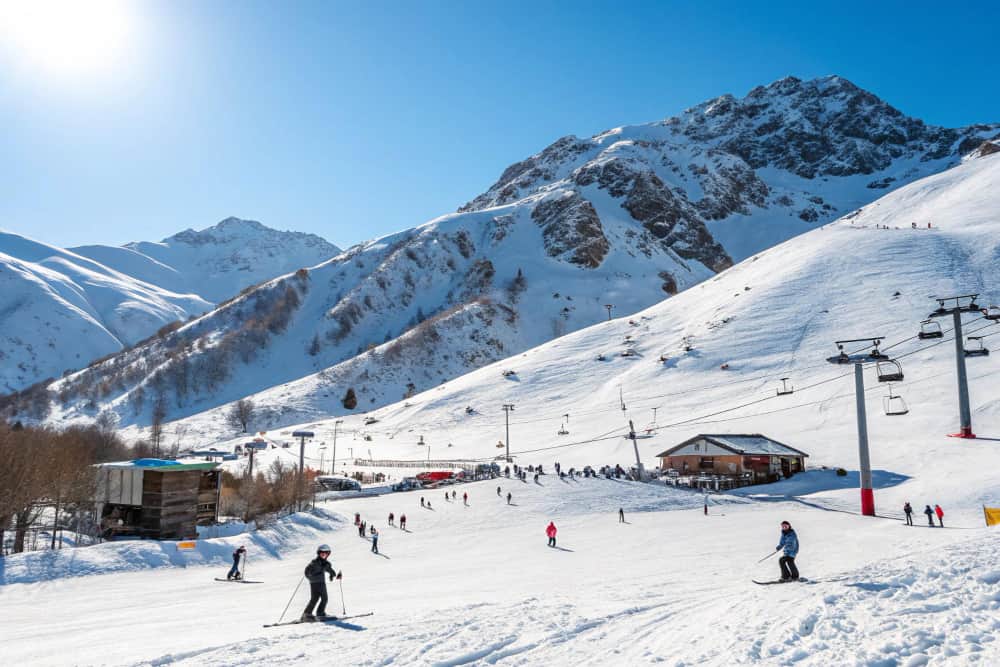
Nagano offers a strong mix of terrain, from wide open runs to playful forest lines and longer descents that keep advanced riders engaged. Resorts in the Madarao and Myoko areas are especially known for natural snow and well-spaced trees, which appeal to confident intermediates and powder seekers alike. At the same time, there are plenty of manageable slopes for families and first timers.
It’s also worth deciding how much skiing you want to do each day. Some travellers plan full mountain days from first lift to last chair. Others prefer a few solid hours followed by lunch, an onsen soak, and a relaxed evening. Being honest about your pace helps you choose the right resort size and accommodation base.
Step 2: Choose the Right Resort Area
Japan has more than 500 ski resorts, so narrowing it down matters. While places like Niseko and Hakuba often dominate headlines, regions slightly off the main tourist track can offer excellent snow with fewer crowds and better value.
Nagano’s northern areas, including Madarao and neighbouring Myoko, strike a strong balance. You get consistent snowfall, varied terrain and a quieter atmosphere compared to heavily commercialised resorts. Lift queues are generally manageable, and the layout of the mountains makes it easy for mixed-ability groups to ski the same area without feeling separated.
When choosing a base, consider practical details. How far is it from the nearest train station? Are there shuttle buses? Do you want ski-in access or are you happy with a short transfer? Smaller mountain towns can feel more relaxed and personal, but they may have fewer late night dining options. Larger hubs offer more restaurants and nightlife but can be busier and more expensive. Matching your expectations with the right area makes a noticeable difference to the overall feel of the trip.
Step 3: Work Out Transport Early
Japan’s transport system is efficient, but winter travel requires some planning. From Tokyo, the Shinkansen can get you close to Nagano in around 90 minutes, followed by a local bus or arranged transfer. This is usually the simplest option for visitors who don’t want to drive in snow conditions.
If you’re travelling as a group or carrying multiple ski bags, renting a four wheel drive vehicle with snow tyres can provide flexibility. It allows you to explore nearby resorts and manage your schedule without relying on bus timetables. That said, winter roads demand confidence and reservations should be made well in advance during peak season.
Check train schedules against your flight arrival time. Late arrivals can mean an overnight airport stay if you miss the final connection. Planning this detail early avoids unnecessary stress at the start of your holiday.
Step 4: Book Accommodation and Lessons in Advance
Peak ski season in Japan runs from January through early February, and popular accommodation can fill months ahead. Booking early gives you better room choices and more stable pricing. If you’re travelling in March, you may find slightly lower rates while still enjoying solid snow conditions.
Think carefully about the style of stay that suits your group. Large hotels offer convenience and facilities, while affordable ski lodges create a more social and relaxed environment. For families and groups, having communal areas where everyone can unwind together makes evenings easier and more enjoyable.
If you or someone in your group needs lessons, secure them as soon as flights and lodging are confirmed. English speaking instructors are in demand during busy periods, while private group lessons can be cost effective if you’re travelling with friends at a similar level.
Step 5: Time Your Trip for Snow and Value
January often delivers the deepest powder, but it also brings colder temperatures and higher demand. Late February and March tend to offer a balance of good coverage, more sunshine, and slightly fewer crowds. Spring skiing can mean softer snow in the afternoons, which suits beginners and families.
Travelling outside major holiday periods such as New Year or Japanese national holidays keeps costs down and improves availability. If budget matters, shoulder-season timing combined with well-chosen accommodation can significantly reduce overall expenses without sacrificing quality on the mountain.
Making the Most of Your Skiing Holiday!
A successful Japan ski trip comes down to clarity and preparation. Define your goals, choose a region that matches your style, plan transport carefully, and secure your accommodation early. With the right base, you can focus on what matters most: long days on snow and relaxed evenings with good food and good company. For travellers heading to Madarao and Myoko, our affordable ski lodge accommodation specifically designed for groups and families looking for comfort, convenience and easy access to excellent terrain!